
Indian benchmark stock indices, Sensex and Nifty, extended their winning streak to a fourth day, with Nifty surging 1.60 per cent, driven by a sharp decline in crude oil prices and renewed foreign fund inflows.

Indian benchmark indices Sensex and Nifty experienced volatile trade, declining in early deals before fluctuating, as investors reacted to unabated foreign fund outflows and rising geopolitical uncertainties, particularly in West Asia.
Indian benchmark equity indices, Sensex and Nifty, ended lower after a five-day rally, with the Sensex dropping 607 points and the Nifty falling to 24,013.10. The decline was primarily driven by heavy selling in IT firms following Accenture's trimmed revenue guidance and renewed geopolitical uncertainty, specifically the postponement of US-Iran negotiations.

Indian benchmark indices, Sensex and Nifty, closed lower, primarily due to a sharp sell-off in IT stocks, a fresh surge in crude oil prices, and sustained outflows from foreign institutional investors. The Sensex dropped over 300 points, while the Nifty declined by 77.95 points.

Indian benchmark indices Sensex and Nifty extended their losses for the fourth consecutive session, with the Sensex declining 363.66 points and the Nifty dipping 126.65 points, primarily due to a sharp jump in Brent crude oil prices to USD 98.32 per barrel amid escalating tensions in West Asia.

Indian benchmark indices Sensex and Nifty ended flat on Tuesday, with the Sensex dipping nearly 70 points, as investor sentiment turned cautious ahead of crucial global central bank policy meetings and a significant sell-off in Asian markets.

Analysts predict that the Indian stock market's sentiment this week will be primarily influenced by the domestic GDP data announcement, crude oil prices, and the crucial US non-farm payrolls report.

Indian information technology (IT) stocks, led by Infosys, experienced a significant selloff, dragging the Nifty to a two-month low, primarily due to escalating West Asian tensions pushing crude oil prices higher, and concerns over upcoming large IPOs diverting funds from secondary markets. The sector is also grappling with the long-term implications of AI disruption.
Indian stock market benchmark indices Sensex and Nifty closed nearly one per cent higher, extending their winning streak for a second day. This rally was driven by softening crude oil prices, positive geopolitical developments, and significant buying in blue-chip IT stocks, despite a broader global tech sell-off.

Indian benchmark equity indices, Sensex and Nifty, surged over 1 per cent, driven by a significant correction in crude oil prices and a global market rally, fueled by improving sentiment surrounding potential US-Iran negotiations.

Indian equity benchmark indices Sensex and Nifty rebounded in early trade, driven by buying in blue-chip stocks and a positive trend in Asian markets, with domestic institutional investors providing crucial support.

August 2026 witnessed a significant surge in India's primary market, with 21 mainboard initial public offerings (IPOs) raising approximately 21,000 crore, marking the highest monthly deal count of the year, even as benchmark indices experienced declines.
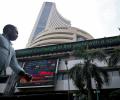
Benchmark stock indices Sensex and Nifty closed on a flat note in a choppy session on Wednesday as gains in PSU banks and auto shares were offset by losses in IT stocks.
Indian benchmark indices Sensex and Nifty experienced a significant slump in early trade, driven by a sharp surge in crude oil prices above USD 120 per barrel, weak global market trends, and continued foreign fund outflows.

Indian benchmark equity indices, the BSE Sensex and NSE Nifty, experienced a significant drop in early trade due to elevated oil prices, weak global market trends, and renewed fears of military operations in the Middle East following US President Donald Trump's statements regarding Iran. Track Sensex, Nifty on May 20.

Indian benchmark indices Sensex and Nifty experienced a significant slump in early trade, mirroring weak global trends, as escalating tensions in West Asia, particularly a drone attack on the UAE's Barakah nuclear facility, pushed crude oil prices higher. Track Sensex, Nifty50 movement and key market drivers for May 18, 2026.

Indian stock markets recovered from early losses to close higher, driven by value buying in IT and banking shares and a rebound in the rupee.
Indian benchmark indices, Sensex and Nifty, closed almost unchanged in a volatile session as investors reacted cautiously to mounting geopolitical headwinds and a significant jump in crude oil prices, with Brent crude surging to USD 94.68 per barrel.

Analysts predict that geopolitical developments, particularly surrounding the Strait of Hormuz and the US-Iran standoff, along with crude oil prices, will be the primary factors influencing stock market movement in the coming week. Investors will also monitor foreign institutional flows and the Federal Open Market Committee (FOMC) minutes for signals on the Federal Reserve's policy outlook.

Indian markets on Dalal Street rallied sharply as easing tensions in the US-Iran conflict and stable oil prices boosted sentiment. Track Nifty 50 and BSE Sensex performance and key global triggers.

Indian stock market benchmarks Sensex and Nifty closed higher on Tuesday, buoyed by a drop in crude oil prices, a rally in global markets, and strong buying in IT stocks.
Indian benchmark indices Sensex and Nifty experienced a significant tumble in early trade, driven by surging global oil prices, continuous outflows by Foreign Institutional Investors (FIIs), and persistent geopolitical uncertainties, particularly in West Asia.

Indian markets on Dalal Street rallied sharply as easing tensions in the US-Iran conflict and stable oil prices boosted sentiment. Track Nifty50 and BSE Sensex performance and key global triggers.
Analysts predict that crude oil prices, geopolitical tensions in West Asia, and upcoming inflation data will be the primary drivers of the Indian stock market this week, alongside foreign investor activity and domestic quarterly earnings.
Indian equity benchmark indices Sensex and Nifty experienced a significant tumble in early trade, with the Sensex tanking nearly 700 points, driven by uncertainty surrounding US-Iran negotiations, a fresh spike in crude oil prices, and persistent foreign fund outflows.

Benchmark equity indices Sensex and Nifty tumbled in early trade on Wednesday, tracking a bearish trend in Asian markets, as the conflict in West Asia widened, driving oil prices higher.

Indian benchmark indices, Sensex and Nifty, opened lower on Tuesday, driven by a surge in global crude oil prices and continued outflows by Foreign Institutional Investors (FIIs), reflecting fragile market sentiment influenced by external factors.

From the Sensex pack, Eternal, Bharat Electronics Ltd, Trent, Axis Bank, State Bank of India, Bajaj Finance, Sun Pharmaceuticals, Asian Paints, Adani Ports, Hindustan Unilever, Reliance Industries, ITC, PowerGrid, Tata Motors Ltd's Commercial Vehicles business, and Bajaj Finserv were the gainers. Infosys, Tata Motors Passenger Vehicles, Tata Steel, ICICI Bank, Tech Mahindra, Titan, UltraTech Cement, Maruti Suzuki India, and Larsen & Toubro were the laggards.
Indian equities on Dalal Street saw volatility as global market trends and weak rupee impacted investor sentiment. Track Sensex, Nifty50 movement and key market drivers for May 5, 2026.

Indian markets on Dalal Street rallied sharply as easing tensions in the US-Iran conflict and stable oil prices boosted sentiment. Track Nifty 50 and BSE Sensex performance and key global triggers.
Indian benchmark indices Sensex and Nifty closed lower in a volatile session due to profit-taking in banking and financial shares, despite earlier gains driven by easing geopolitical tensions. Analysts suggest investors remain cautious and are not aggressively chasing the recent rally.
Indian benchmark indices Sensex and Nifty closed marginally lower due to profit-taking, following the Reserve Bank of India's decision to keep the repo rate unchanged while lowering its growth expectations for the current fiscal year and forecasting higher inflation.

Tata Group stocks experienced a significant decline, with TCS falling nearly 6 per cent, after Tata Sons Chairman N Chandrasekaran announced he would not seek reappointment when his current term concludes on February 20, 2027.
Indian equities on Dalal Street declined in early trade on Monday as crude oil prices climbed amid fears of further escalation in the West Asia the war. Track Sensex, Nifty50 movement and key market drivers for Apr 6, 2026.

Indian benchmark equity indices, Sensex and Nifty, experienced a decline in early trade, ending a three-day rally, primarily due to heavy selling in IT stocks and concerns over prolonged instability in West Asia.
Indian equity benchmark indices Sensex and Nifty plummeted over 2 per cent following US President Donald Trump's declaration that the interim agreement with Iran is 'over', which led to a sharp rally in crude oil prices and heightened geopolitical tensions.
Indian stock market indices Sensex and Nifty experienced a significant decline, driven by rising crude oil prices, sustained foreign fund outflows, and selling pressure in major bank stocks.

Indian equities on Dalal Street saw volatility as global market trends and oil price hike impacted investor sentiment. Track Sensex, Nifty50 movement and key market drivers for Apr 23, 2026.

Indian markets on Dalal Street rallied sharply as easing tensions in the US-Iran conflict and stable oil prices boosted sentiment. Track Nifty 50 and BSE Sensex performance and key global triggers.
Indian benchmark stock indices Sensex and Nifty rebounded nearly 1 per cent, snapping a three-day decline, driven by rallies in Reliance Industries and Sun Pharma, alongside positive global market trends and easing geopolitical tensions.
